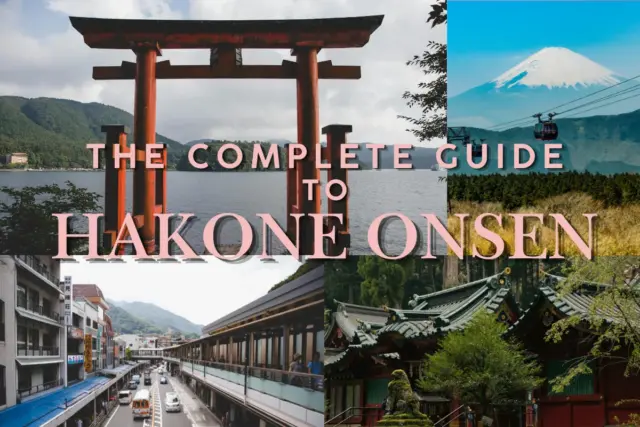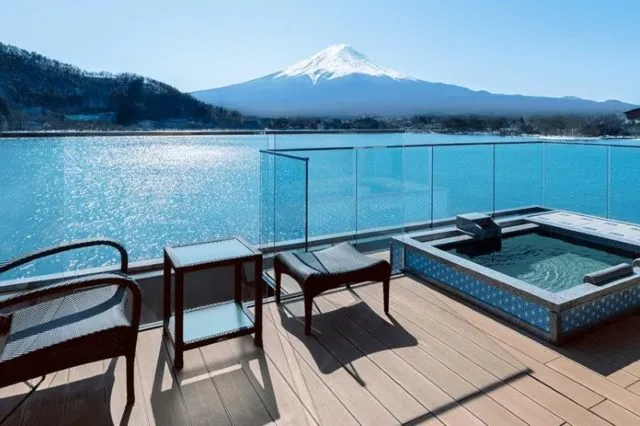

Japan isn't just neon cities and ancient temples — an hour outside almost any major city, forested peaks and centuries-old pilgrim trails await. This guide covers everything first-time hikers need to know, from choosing the right hike and finding the best hiking season to preparing for your adventure in Japan.
Get your unlimited data eSIM before your hike in Japan.
Which Hike Is Right for You?

Japan has thousands of maintained trails, and the best one for you depends on what you're looking for — not just your hiking experience. Use the table below to find your starting point, then read on for a closer look at each.
| What you're looking for | Recommended hike | Location | Difficulty | Round-trip time |
|---|---|---|---|---|
| I'm new to hiking. | Mt. Takao | Tokyo | Beginner | 2–4 hours |
| I want to climb Japan's most famous mountain. | Mt. Fuji | Yamanashi & Shizuoka | Advanced | 8–13 hours |
| I want spectacular mountain scenery. | Kamikochi | Nagano | Beginner | 1–5 hours |
| I want to experience traditional Japan. | Kumano Kodo | Wakayama, Nara & Mie | Beginner–Intermediate | Half-day to multi-day |
| I want to explore Japan's wild nature. | Yakushima | Kagoshima | Intermediate | 3–11 hours |
| I'm traveling around Hokkaido. | Daisetsuzan National Park | Hokkaido | Intermediate | Half-day to multi-day |
| I want to see Japan's volcanic landscapes. | Mt. Aso | Kumamoto | Beginner–Intermediate | 2–5 hours |
| I'm looking for a challenging alpine adventure. | Northern Alps | Nagano, Toyama & Gifu | Advanced | Half-day to multi-day |
Note: Duration refers to the estimated round-trip hiking time.
Mt. Takao: Perfect for First-Time Hikers
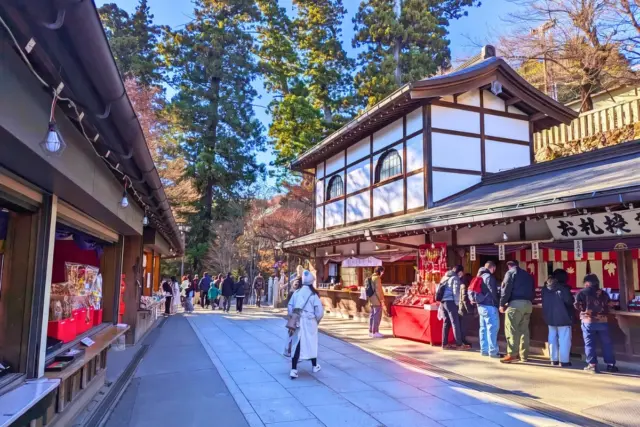
Mt. Takao is one of Japan's most accessible mountains for beginners.
Just an hour from central Tokyo, Mt. Takao is one of the easiest ways to experience hiking in Japan. Several well-maintained trails lead to the summit, and you can even shorten the climb by taking a cable car or chairlift. On a clear day, you'll be rewarded with views of Mt. Fuji from the top.
When I hiked Mt. Takao, I was surprised by how quickly the city disappeared behind the trees. It felt far more peaceful than I expected for a mountain so close to Tokyo. If you're visiting on a weekend or during autumn, starting early makes a big difference—the trails and cable car can become much busier later in the morning.
 What you're looking for:I'm new to hiking.
 Location:Tokyo
 Difficulty:Beginner
 Duration:2–4 hours

If you're visiting Tokyo, you may also find our Tokyo eSIM guide helpful:
Best eSIM for Tokyo: Fast & Reliable Data for Travelers
Mt. Fuji: Japan's Most Iconic Climb
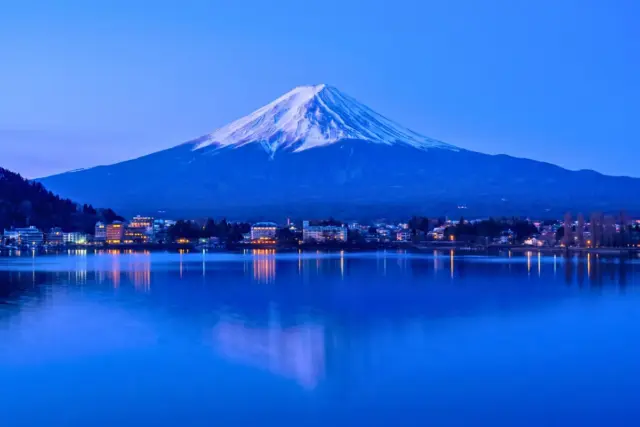
Mt. Fuji is Japan's most iconic hiking destination.
Climbing Mt. Fuji is a bucket-list experience for many visitors to Japan. Standing at 3,776 meters (12,389 feet), it's the country's highest mountain and is typically climbed during the official season from early July to early September. Most hikers begin at night to reach the summit in time for sunrise, known as goraiko.
What surprised me most wasn't the altitude—it was how long the climb felt after reaching the higher stations. Because you spend several hours at high elevations, the cold can become a bigger challenge than expected; even in summer, temperatures near the summit can be close to freezing before sunrise, so packing an extra warm layer is well worth it.
- What you're looking for:I want to climb Japan's most famous mountain.
- Location:Yamanashi & Shizuoka
- Difficulty:Advanced
- Duration:8–13 hours
Kamikochi: Japan's Most Beautiful Mountain Scenery
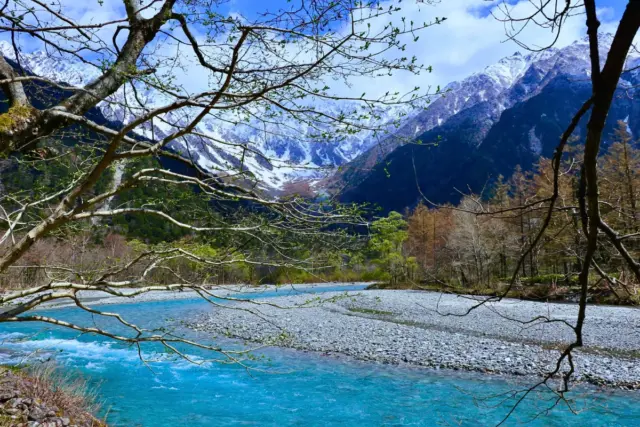
Kamikochi is famous for its beautiful valley walks and mountain scenery.
Kamikochi is one of Japan's most beautiful mountain valleys and an excellent choice for beginners or anyone who prefers scenic walks over steep climbs. The flat riverside trails, crystal-clear Azusa River, and dramatic mountain backdrop make it one of the easiest places to experience the Japanese Alps.
I expected Kamikochi to be beautiful, but I didn't expect to stop so often just to take in scenery. Allow more time than you think you'll need—it's the kind of place where you'll want to slow down rather than rush to the next viewpoint.
- What you're looking for:I want spectacular mountain scenery.
- Location:Nagano
- Difficulty:Beginner
- Duration: 1–5 hours
Kumano Kodo: Hike Through Japan's History and Culture
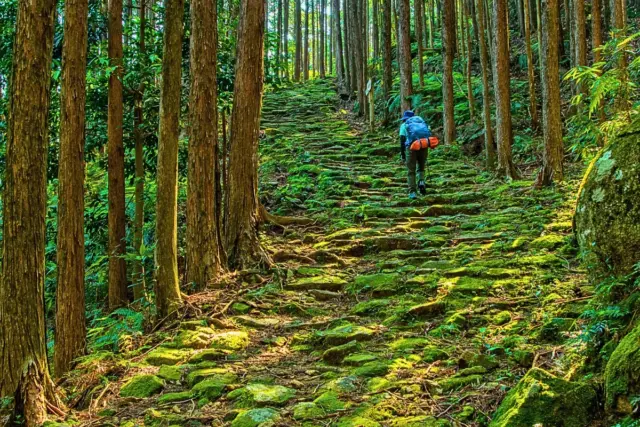
The Kumano Kodo combines hiking with centuries of history and culture.
Unlike Japan's summit-focused hikes, the Kumano Kodo is a network of ancient pilgrimage trails connecting centuries-old shrines across the Kii Peninsula. Walking these paths is as much a cultural experience as it is a hiking trip, with traditional villages, cedar forests, and historic landmarks along the way.
Many hikers choose to complete only one section rather than the entire route. Planning your daily distance around the available accommodation makes the journey far more enjoyable than trying to cover too much in a single day.
- What you're looking for:I want to experience traditional Japan.
- Location:Wakayama, Nara & Mie
- Difficulty:Beginner–Intermediate
- Duration:Half-day to multi-day
Yakushima: Discover Japan's Ancient Forests
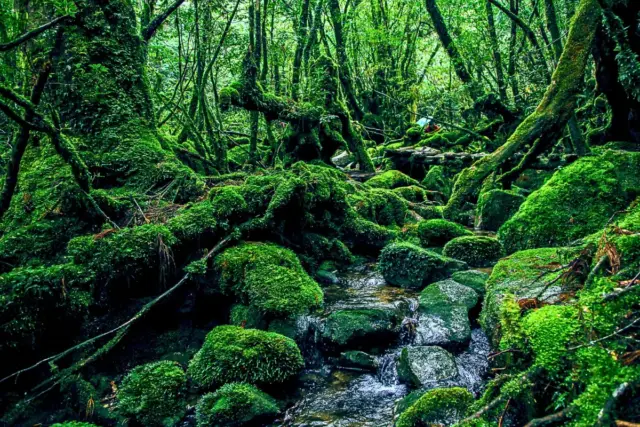
Yakushima is known for its ancient cedar forests and moss-covered trails.
Yakushima offers a completely different hiking experience from mainland Japan. Famous for its ancient cedar forests and the iconic Jomon Sugi tree, the island is known for lush moss-covered landscapes that inspired the world of Princess Mononoke. Expect muddy trails, frequent rain, and a true wilderness atmosphere.
Of every hike I've done in Japan, Yakushima felt the wildest. The forest stayed wrapped in mist for much of the day, giving it an almost prehistoric atmosphere. Good rain gear isn't optional here—staying dry makes a huge difference on what can be a long, wet hike.
- What you're looking for: I want to explore Japan's wild nature.
- Location:Kagoshima
- Difficulty:Intermediate
- Duration:3–11 hours
Daisetsuzan National Park: Hokkaido's Greatest Wilderness
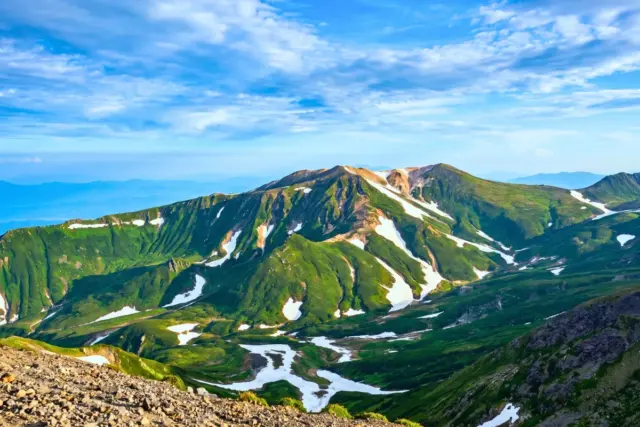
Daisetsuzan offers some of Japan's wildest alpine scenery.
Located in the heart of Hokkaido, Daisetsuzan National Park is Japan's largest national park and a paradise for hikers with some mountain experience. Its volcanic landscapes, alpine meadows, and rugged peaks offer a sense of wilderness that's hard to find anywhere else in Japan.
Because of its northern location, autumn colors arrive here earlier than in most parts of the country. Weather can also change quickly, so checking the latest mountain forecast before setting out is especially important.
- What you're looking for:I'm traveling around Hokkaido.
- Location:Hokkaido
- Difficulty:Intermediate
- Duration:Half-day to multi-day
Mt. Aso: Experience Japan's Volcanic Landscape
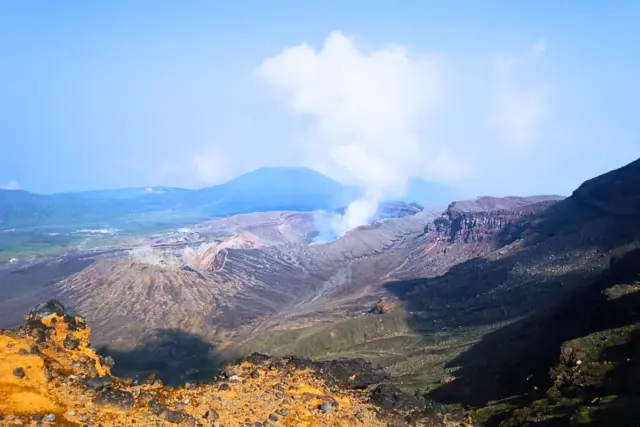
Mt. Aso is one of the world's largest active volcanic calderas.
Mt. Aso is home to one of the world's largest active volcanic calderas, offering hiking routes unlike anywhere else in Japan. The dramatic grasslands and volcanic scenery create a landscape that feels completely different from the country's forested mountain trails.
Because it's an active volcano, trail access depends on volcanic activity. Always check the latest restrictions before your visit, as some trails and viewpoints may be temporarily closed for safety.
- What you're looking for:I want to see Japan's volcanic landscapes.
- Location:Kumamoto
- Difficulty:Beginner–Intermediate
- Duration:2–5 hours
Northern Alps: Japan's Ultimate Alpine Adventure
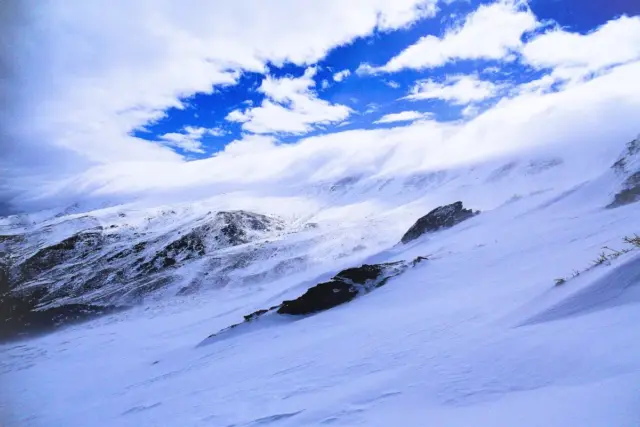
The Northern Alps are a popular destination for multi-day hiking.
For hikers looking for a more challenging adventure, the Northern Alps offer some of Japan's most spectacular mountain scenery. Multi-day routes connect dramatic ridgelines, alpine peaks, and traditional mountain huts, making this region a favorite among experienced hikers.
Many classic routes take two or more days to complete. Booking mountain huts well in advance—especially during weekends and peak season—will give you much more flexibility when planning your itinerary.
- What you're looking for:I'm looking for a challenging alpine adventure.
- Location:Nagano, Toyama & Gifu
- Difficulty:Advanced
- Duration:Half-day to multi-day
Before you hit the trail, make sure your mobile data is ready too.
Essential Tips for Hiking in Japan
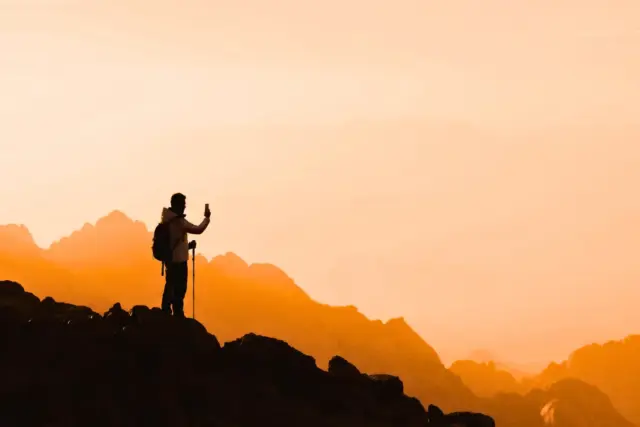
Most hiking advice applies no matter where you are in the world. However, Japan has its own hiking culture, transportation system, and mountain facilities that may be unfamiliar to first-time visitors. These tips will help you enjoy a smoother and more comfortable hiking experience in Japan.
Use Public Transportation to Reach the Trailhead
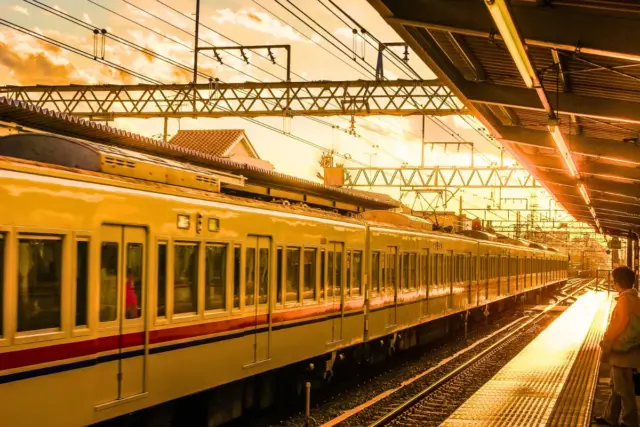
Unlike many hiking destinations in other countries where driving is essential, many of Japan's most popular trailheads are accessible by train and bus. This makes hiking possible even if you don't plan to rent a car.
The downside is that buses to and from trailheads often run only a few times a day. Missing the last bus could leave you waiting for hours or needing an expensive taxi. Before your hike, check the timetable carefully and allow extra time in case your hike takes longer than expected.
Be Aware of Bears
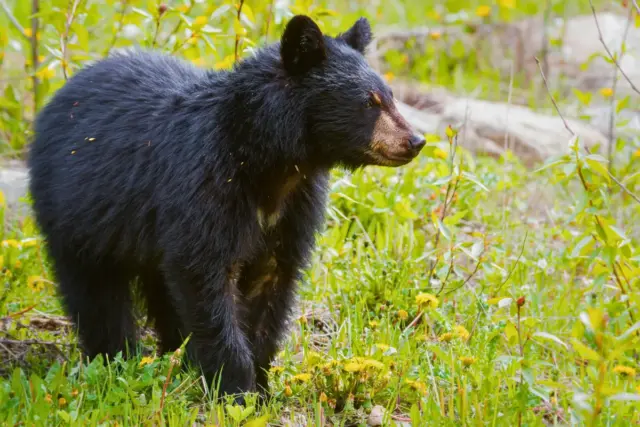
Black bears live in many mountain areas across Japan, especially in Hokkaido and northern Honshu. While encounters are uncommon on busy trails, they can happen in quieter or more remote areas.
You'll often notice Japanese hikers carrying bear bells. The sound helps alert bears to your presence, reducing the chance of a surprise encounter. Check local trail information before your hike to see whether bear activity has been reported and whether carrying a bear bell is recommended.
Submit a Hiking Plan
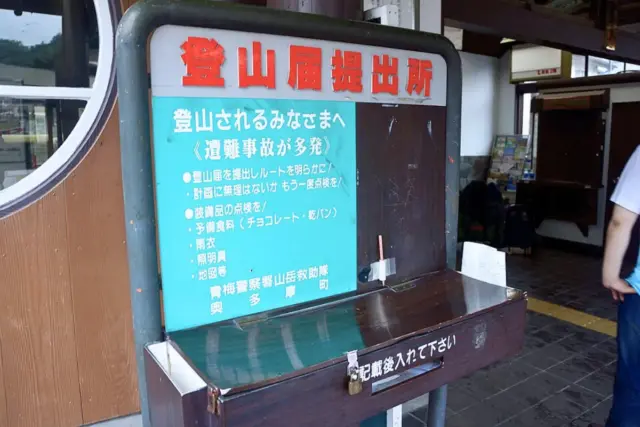
If you're planning a long or remote hike, consider submitting a hiking plan (tozan-todoke) before you set out. It includes details such as your route and emergency contact information, helping rescue teams locate you more quickly if an emergency occurs.
Many trailheads have a submission box, and some prefectures also allow you to submit your hiking plan online before your trip.
Reserve Mountain Huts in Advance

If you plan to stay overnight, reserve your mountain hut (yamagoya) as early as possible. Popular huts—especially on Mt. Fuji and in the Japanese Alps—often book out well in advance.
Mountain huts provide a convenient place to rest, sleep, and enjoy simple meals during multi-day hikes. Facilities vary by location, so it's a good idea to check what is available before your trip.
Stay Connected with Mountain Hut WiFi

Many mountain huts in Japan are equipped with au Starlink Mountain Hut WiFi (“Yamagoya Wi-Fi”), a satellite-powered internet service that provides fast and stable connectivity even in remote mountain areas. See the official website for the latest list of participating mountain huts.
We used the service during a recent hike in the Central Alps and were surprised by how well it worked. It was nice to be able to watch YouTube and relax at the mountain hut after a full day of hiking. We also had no trouble sharing photos and videos on social media. Compared with a regular mobile connection, the WiFi was noticeably faster and more stable, as shown in the speed test results below.

Getting connected is simple—just follow the steps shown below after arriving at a participating mountain hut.
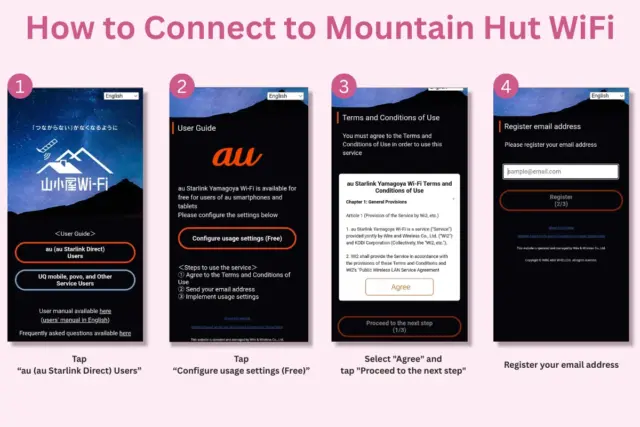
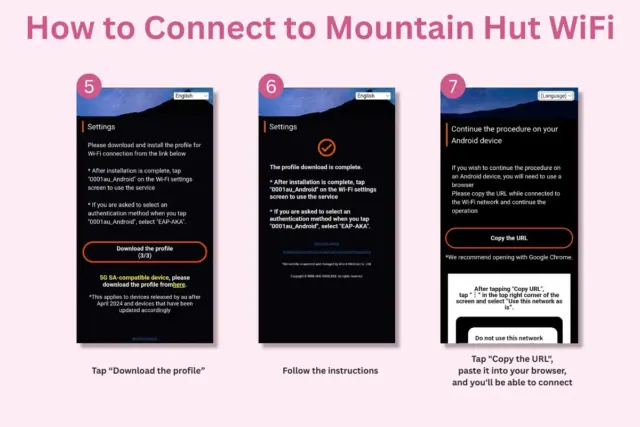
If you're planning to hike in Japan, Sakura Mobile's Unlimited Data eSIM includes free access to participating au Starlink Mountain Hut WiFi locations, so you can use the service without paying the usual WiFi fee.
Enjoy reliable mobile data and free Mountain Hut WiFi with Sakura Mobile.
When Is the Best Time to Go Hiking in Japan?
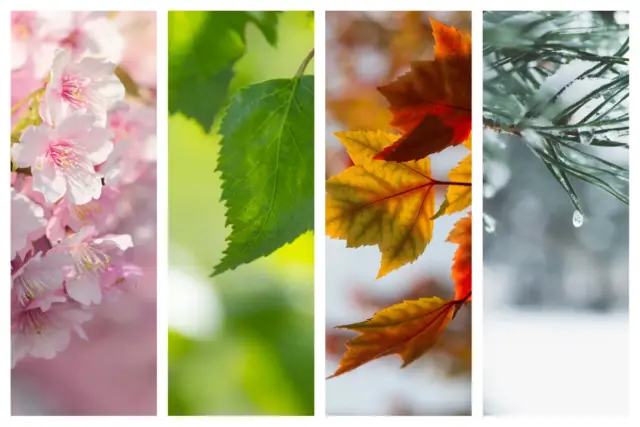
The best time for hiking in Japan depends on where you want to go and what you want to experience. In general, spring and autumn offer the most comfortable conditions, while summer is the best season for high-altitude mountains.
Spring (April–May)
Enjoy fresh greenery, cherry blossoms, and mild weather. Lower-elevation trails such as Mt. Takao are great choices, while higher mountains may still have snow at this time of year.
Summer (June–August)
The best season for high-altitude hiking, including Mt. Fuji and the Japanese Alps. Lower-elevation trails can be hot and humid.
Autumn (September–November)
One of the most popular hiking seasons, with colorful fall foliage and comfortable weather. Areas known for autumn scenery, such as Nikko and Mt. Daisetsu, are especially beautiful.
Winter (December–March)
Enjoy crisp air and snowy landscapes. Lower mountains are accessible, while snow-covered peaks require proper equipment and preparation.
Japan’s main hiking season generally runs from late spring to early autumn, but the exact timing varies depending on the mountain. Many high-altitude trails are best enjoyed during the summer months, when snow has melted and mountain huts are open. Most mountain huts operate from around June to October, providing accommodation, meals, and emergency shelter for hikers. Outside this period, services are limited, and winter conditions require advanced skills and proper gear.
No matter when you visit, always check the local weather forecast and trail conditions before heading into the mountains. Weather can change quickly, especially at higher elevations.
What to Wear and Pack for Hiking in Japan
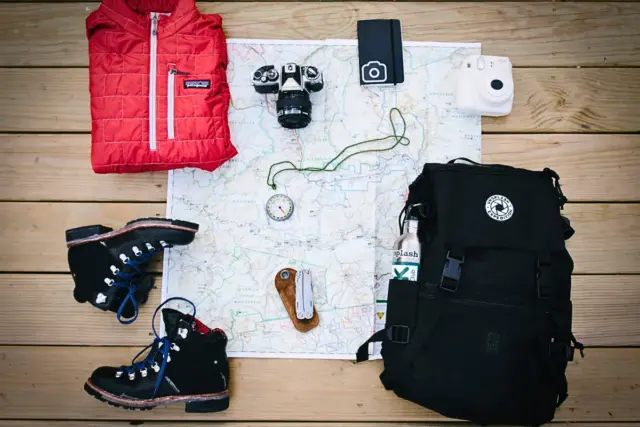
Besides your usual hiking gear, there are a few extra items that can make hiking in Japan more comfortable and convenient.
Bring cash (and a few coins).
Many mountain huts, toilets, and small shops still don't accept credit cards.
Pack a waterproof rain jacket.
Mountain weather can change quickly, even during the main hiking season.
Carry a quick-drying towel.
It's perfect for wiping away sweat during Japan's humid summer hikes and comes in handy during overnight stays at mountain huts.
Bring earplugs if you're staying overnight.
Shared sleeping areas are common in Japanese mountain huts, so earplugs can help you get a better night's sleep.
Frequently Asked Questions
- Q: Where is the best place to hike in Japan?
A: It depends on what you're looking for. Mt. Takao and Kamikochi are ideal for beginners, Mt. Fuji is perfect if you want to climb Japan's most famous mountain, while the Kumano Kodo and Yakushima offer unique cultural and nature experiences.
- Q: When is the best time to go hiking in Japan?
A: The best time for hiking in Japan depends on where you want to go and what you want to experience. Spring and autumn are generally the most comfortable seasons, while summer is the best time for high-altitude hikes such as the Japanese Alps and Mt. Fuji.
- Q: Is hiking in Japan suitable for beginners?
A: Yes. Japan has plenty of beginner-friendly trails with clear signage and well-maintained paths. Mountains like Mt. Takao and the walking trails in Kamikochi are great places to start.
- Q: Do I need a guide to hike in Japan?
A: Usually not. Most popular hiking trails are well-marked and can be completed independently. However, a guide can be helpful for remote, technical, or multi-day routes if you're unfamiliar with the area.
- Q: Do I need to reserve a mountain hut?
A: If you're hiking popular routes such as Mt. Fuji or the Northern Alps during peak season, yes. Mountain huts often fill up weeks in advance, so booking early is highly recommended.
- Q: Will my phone work in Japan's mountains?
A: Coverage varies by location. Many trails have limited or no mobile signal, especially in valleys and remote areas. Some mountain huts offer au Starlink Mountain Hut WiFi, and Sakura Mobile's Unlimited Data eSIM includes free access at participating huts.
- Q: Do I need to submit a hiking plan?
A: For longer or more remote hikes, it's recommended. A hiking plan (tozan-todoke) helps rescue services locate you more quickly in an emergency, and many trailheads provide a submission box.
- Q: Do I need a bear bell in Japan?
A: Not always. Bear bells are commonly used in areas where black bears are known to live, such as Hokkaido and northern Honshu. Check local trail information before your hike to see whether one is recommended.
FAQ
Ready to Hike in Japan?
Whether you're looking for an easy day hike, a cultural pilgrimage, or a challenging alpine adventure, Japan offers a trail for every type of hiker. Choose a route that matches your experience level, plan ahead, and enjoy a side of Japan that many visitors never get to experience.
If hiking is part of your Japan itinerary, Sakura Mobile's Unlimited Data eSIM is an excellent choice. In addition to reliable data across Japan, you'll get free access to au Starlink Mountain Hut WiFi at participating mountain huts. If you have any questions before or during your trip, our English-speaking support team is always ready to help.
Planning to hike in Japan? Stay connected with Sakura Mobile's Unlimited Data eSIM, featuring reliable nationwide coverage and English customer support. You'll also get free access to au Starlink Mountain Hut WiFi at participating mountain huts.